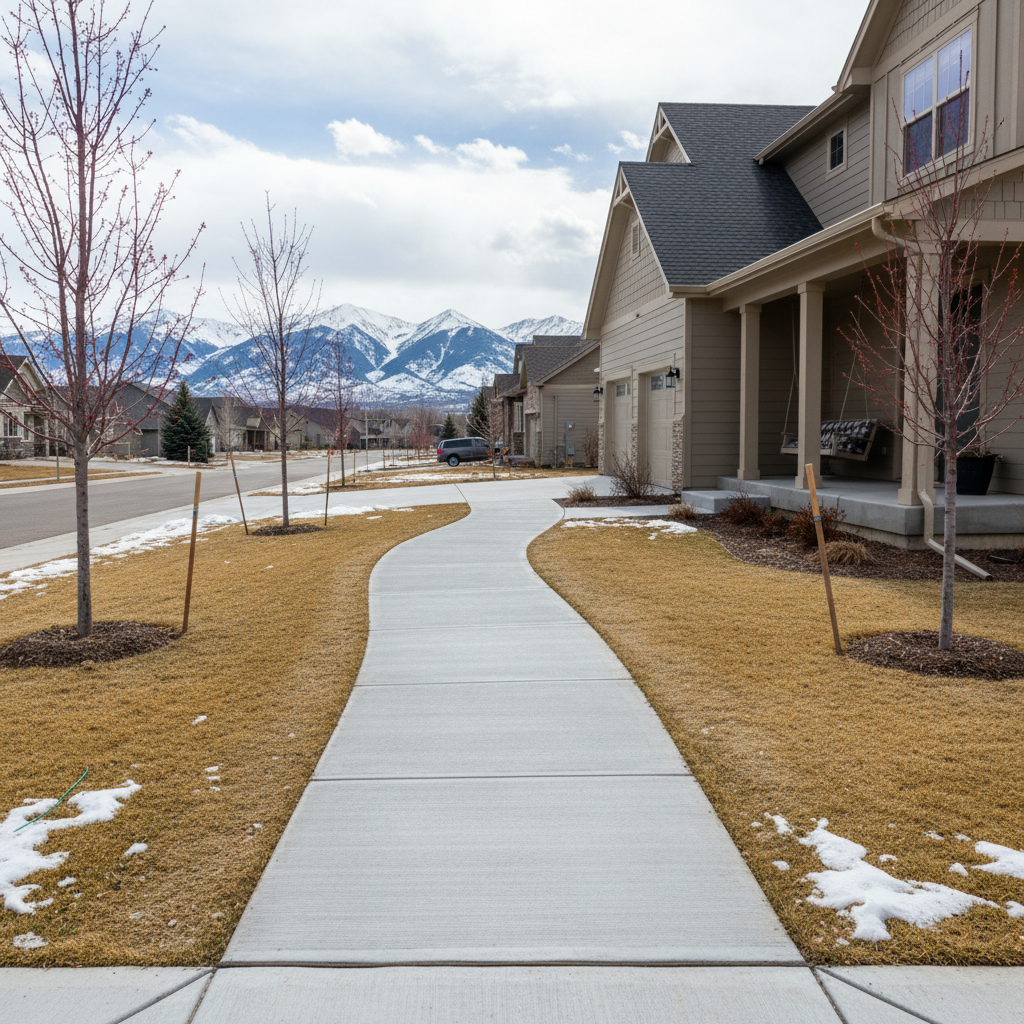
Walk out to grab the mail in January in Orem, Utah, and you might notice your front walkway looks more uneven than it did back in July. Here along the Wasatch Front, local weather can beat up outdoor concrete faster than almost anything else. Between heavy winter snows, rapid spring thaws, and intense summer heat, outdoor concrete flatwork takes a serious beating year-round.
Elite Concrete Solutions spends a lot of time helping homeowners figure out the best timing for flatwork upkeep. If you want your concrete paths to last without cracking or scaling into a mess, you have to work with the climate instead of ignoring it.
Timing Your Projects Around Utah Weather
Pouring or fixing concrete is not something you can just force on any random afternoon. Orem spring and fall offer the sweet spot for new work because temperatures stay moderate. When it is freezing outside, the water inside a fresh mix expands before the slab can cure, ruining its strength. On the flip side, pouring on a scorching July afternoon causes the surface to dry out way too fast, leading to shrinkage cracks.
If you are planning a new walkway or patching up an old one, aim for late spring or early autumn. The mild air temperatures let the material cure at a steady pace so it reaches its maximum strength.
Combating the Freeze-Thaw Cycle
Winter brings dozens of freeze-thaw cycles to Utah County. Water gets into tiny pores in the surface, freezes, expands, and breaks the material apart from the inside out. That is why using the right mix design matters so much around here. Air-entrained concrete contains microscopic bubbles that give trapped water room to expand safely without cracking the slab.
When snow piles up on your walks, avoid using harsh chemical de-icers if you can. Many commercial salts damage the surface paste, causing pitting and scaling. Stick to plain sand or safe ice melters, and shovel the snow off before it melts and refreezes into a slick hazard.
Year-Round Protection Strategies
Protecting your investment does not stop when winter ends. Taking care of your concrete requires a simple routine across all four seasons:
- Spring: Inspect your walks for any shifting caused by melting snow and saturated clay soils, making sure water drains away from your foundation.
- Summer: Clean off dirt and debris regularly, and check if your control joints need fresh backer rod or sealant.
- Fall: Apply a breathable penetrating sealer every couple of years to keep moisture from soaking into the pores.
- Winter: Shovel early and avoid metal ice scrapers that gouge the finish.
A little bit of preventative care goes a long way toward keeping your property safe and sharp-looking. Keeping water out and handling minor cracks early will save you from a major replacement bill down the road.