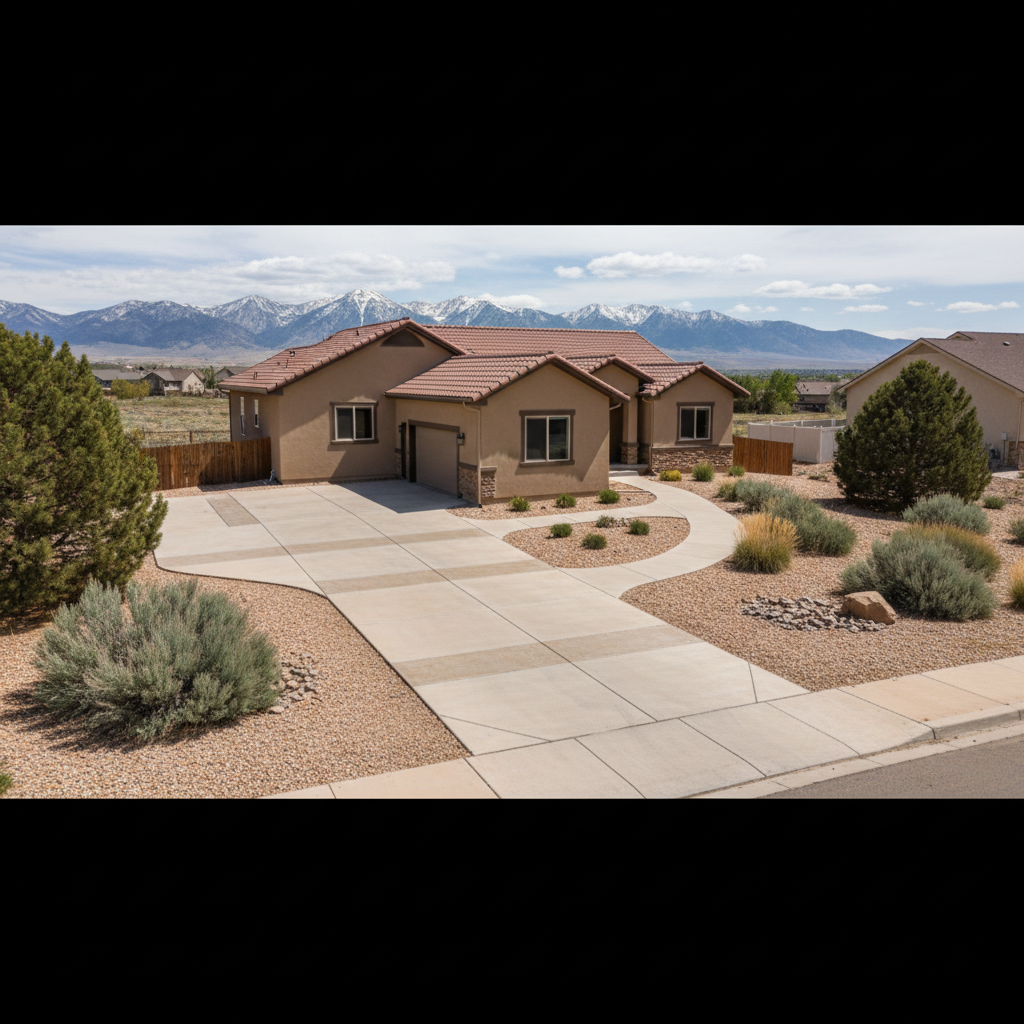
Alright, so you've got some concrete around your Orem home that's seen better days. Maybe it's a cracked sidewalk, a sinking patio, or a driveway that's starting to look like a jigsaw puzzle. You know it needs fixing, but what's next? Planning a concrete repair project can feel a bit overwhelming, but it doesn't have to be. I've been doing this for a long time here in Utah County, and I've got some straightforward advice to help you get ready.
Setting the Timeline for Your Concrete Repair
First off, let's talk about timing. People always ask, "How long is this going to take?" and it's a fair question. The truth is, it depends on the scope of work, but I can give you a general idea.
- Initial Contact to Quote: Once you reach out, we'll usually schedule a visit within a few days to a week. We need to see the damage firsthand to give you an accurate quote.
- Quote Acceptance to Start Date: This is where things can vary. Good contractors are usually busy. Depending on the season and our current workload, it could be anywhere from 2-4 weeks out, sometimes more during peak summer months when everyone wants their outdoor projects done. Don't expect us to start tomorrow, especially if you're looking for quality work.
- Actual Repair Work: Most residential concrete repair jobs – like patching, resurfacing, or even replacing a small section – can often be completed in 1-3 days. Larger projects, like a full driveway replacement, might take 3-5 days. Keep in mind, this is just the active work time.
- Curing Time: This is crucial and often overlooked. Concrete needs time to cure and gain strength. You'll typically need to stay off new concrete for at least 24-48 hours for light foot traffic, and 7 days (sometimes more, depending on the mix) before driving vehicles on it. Don't rush this part; it's vital for the longevity of your repair.
Factor in those curing times when you're thinking about when you need that area usable again. Don't plan a big backyard BBQ the day after we pour a new patio slab.
What to Expect During the Repair Process
When we're on site, here's a general rundown of what you'll see happening:
- Preparation: This is probably the messiest part. We'll be removing old, damaged concrete, digging out any necessary areas, and preparing the sub-base. This might involve compacting soil or adding gravel. You'll hear jackhammers, saws, and probably some heavy equipment.
- Formwork: If we're pouring new concrete, we'll set up forms to hold the wet concrete in place and define the edges.
- Pouring and Finishing: The concrete truck will arrive, and we'll pour the fresh concrete. Then, our crew gets to work leveling, smoothing, and applying the desired finish (like a broom finish for traction or a smooth trowel finish). This part is a bit of an art form.
- Curing: Once the concrete is poured and finished, we might apply a curing compound or cover it to help it cure properly. We'll give you clear instructions on when it's safe to use the area.
It's a process, and it can be noisy and dusty. We do our best to keep things tidy, but expect some disruption to your usual routine for a few days.
How to Prepare Your Property
You can help us out a lot and make the whole process smoother by doing a few things before we arrive:
- Clear the Area: Move any outdoor furniture, planters, toys, or anything else off the concrete surface and out of the immediate work zone. If we're working on a driveway, make sure your cars are parked elsewhere.
- Trim Landscaping: If you have bushes, trees, or plants right up against the concrete, trim them back a bit. It gives us room to work and protects your plants from accidental damage.
- Mark Sprinkler Heads/Underground Utilities: If you know where your sprinkler heads, low-voltage lighting wires, or other shallow underground utilities are located near the work area, mark them. Even better, call 811 before we start so they can mark public utilities. We'll always be careful, but knowing exactly where things are helps prevent costly accidents.
- Control Pets and Kids: For their safety and ours, keep pets and children away from the work area during active construction. Wet concrete is not a playground.
- Access: Make sure we have clear access for our trucks and equipment. If you live in one of those older Orem neighborhoods with narrow driveways, let us know so we can plan accordingly.
Questions to Ask Before You Sign
Before you commit to any contractor, make sure you're asking the right questions. Don't be shy; this is your home and your money.
- Are you licensed and insured? This is non-negotiable. Ask for proof of both. Liability insurance protects you if something goes wrong.
- Can you provide references? A good contractor will happily give you names and numbers of past clients.
- What's included in the quote? Make sure the quote is detailed. Does it include demolition, hauling away debris, materials, labor, and site cleanup? Are there any potential hidden costs?
- What kind of warranty do you offer on your work? A reputable contractor will stand behind their work. Ask about the warranty period and what it covers.
- What's your payment schedule? Typically, there's an upfront deposit, with the remainder due upon completion. Be wary of contractors asking for a huge percentage upfront.
- How do you handle unexpected issues? Sometimes, we uncover things once we start digging – like poor drainage or unexpected utility lines. Ask how they communicate these issues and how they're resolved.
- What type of concrete mix will you use? For our climate, especially with the freeze-thaw cycles we get here in Utah, you want a durable mix with the right strength (PSI) and air entrainment. We'll always discuss this, but it's a good question to ask.
Look, concrete repair isn't rocket science, but it does require experience and skill to do it right. By understanding the process and asking the right questions, you'll feel a lot more confident. If you're in Orem and looking for someone who knows their stuff, give us a call at Elite Concrete Solutions. We're here to help.