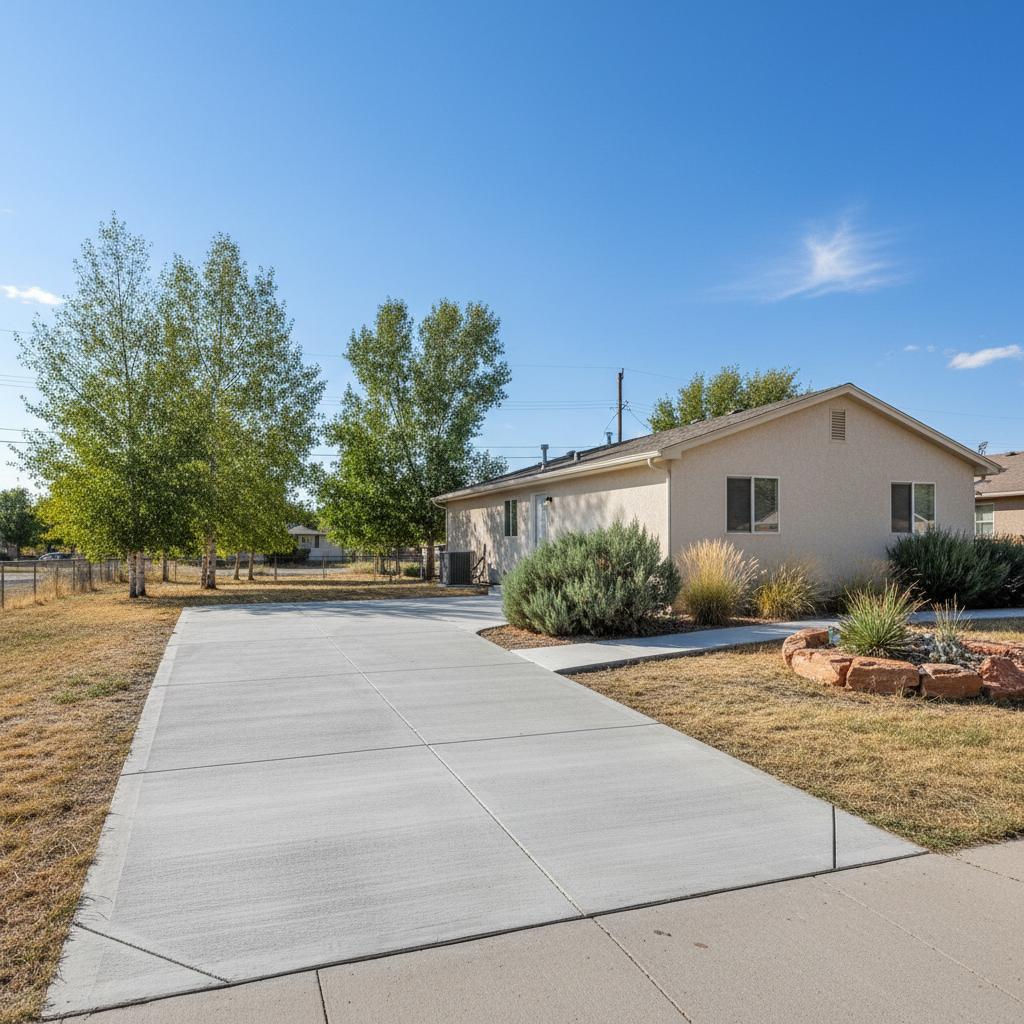
Ever wonder when the best time is to get that cracked driveway or sinking patio fixed? It's not just about when you have the time, you know; the weather here in Orem, Utah, makes a huge difference in how well concrete repairs actually take and how long they last. You've really got to work with Mother Nature, not against her, especially when concrete's involved.
Why Orem's Seasons Really Matter for Concrete
Our climate here in Utah is pretty unique, right? We get those scorching summers and then the freezing, snowy winters. This constant freeze-thaw cycle is just brutal on concrete. Water seeps into tiny cracks, freezes, expands, and then thaws, leaving bigger cracks. It's a never-ending battle if you don't tackle it at the right time.
Think about it: if you pour concrete or do a repair when it's too hot, it can dry too fast, which often leads to shrinkage cracks. Too cold, and it won't cure properly, making it weak and prone to failure. It's a balancing act, really, and knowing the sweet spot can save you a lot of headaches and money down the road.
The Best Time for Concrete Repair in Orem
So, when's that sweet spot? Generally, I tell folks that spring and fall are your best bets. Here's why:
- Spring (Late April to Early June): The ground has thawed, and temperatures are consistently above freezing but not yet scorching. This lets the concrete cure slowly and evenly. You really want those daytime temps to be reliably in the 50s and 60s, and nighttime temps not dipping too far below freezing.
- Fall (September to Early November): Similar to spring, the heat of summer has passed, but we haven't hit the deep freeze yet. Again, consistent mild temperatures are key for proper curing. This is a great time to get those repairs done before winter sets in and makes everything worse.
We've done a lot of jobs in neighborhoods like the Canyon View area, and that's usually when we see the best results for repairs.
When to Avoid Concrete Work (If You Can)
There are definitely times you want to hold off on major concrete repairs:
- Mid-Summer (July-August): It's just too hot. The concrete can dry out too quickly, making it weak and prone to cracking. We can take extra precautions, like misting and using curing compounds, but it's always better to avoid those extreme temps if possible.
- Winter (December-March): Unless it's an absolute emergency or an indoor job, winter is a no-go for exterior concrete. Freezing temperatures prevent proper curing, and you'll end up with weak, flaky concrete that won't last. Plus, working in the snow and ice is just plain difficult and dangerous.
If you absolutely need something done in the shoulder seasons, say late November or early April, we can use special additives and blankets to protect the concrete, but it does add to the complexity and cost.
Protecting Your Concrete Investment Year-Round
Getting the timing right for repairs is just one piece of the puzzle. You also need to protect that investment once it's done. Here are a few simple things you can do:
- Seal It: After your concrete has fully cured (usually 28 days), apply a good quality concrete sealer. This acts like a shield against water, de-icing salts, oil, and UV rays. It's probably the single best thing you can do to extend the life of your concrete, especially with our Orem winters.
- Manage Water: Make sure your downspouts are directed away from your concrete slabs. Standing water is the enemy. If you've got a patio or driveway that consistently has puddles, that's a problem you need to address.
- Be Smart with De-Icers: Avoid using rock salt (sodium chloride) on your concrete, especially newer slabs. It's super corrosive and will break down the concrete over time. Opt for calcium chloride or, even better, just shovel and sand.
- Clean Regularly: Sweep off debris and wash your concrete periodically. This prevents dirt and grime from embedding and causing issues.
At Elite Concrete Solutions, we've seen it all when it comes to concrete in Orem. Doing repairs at the right time and then taking a few simple steps to protect your concrete can make a world of difference in its longevity and appearance. Don't wait until those small cracks become big problems; a little seasonal planning goes a long way.