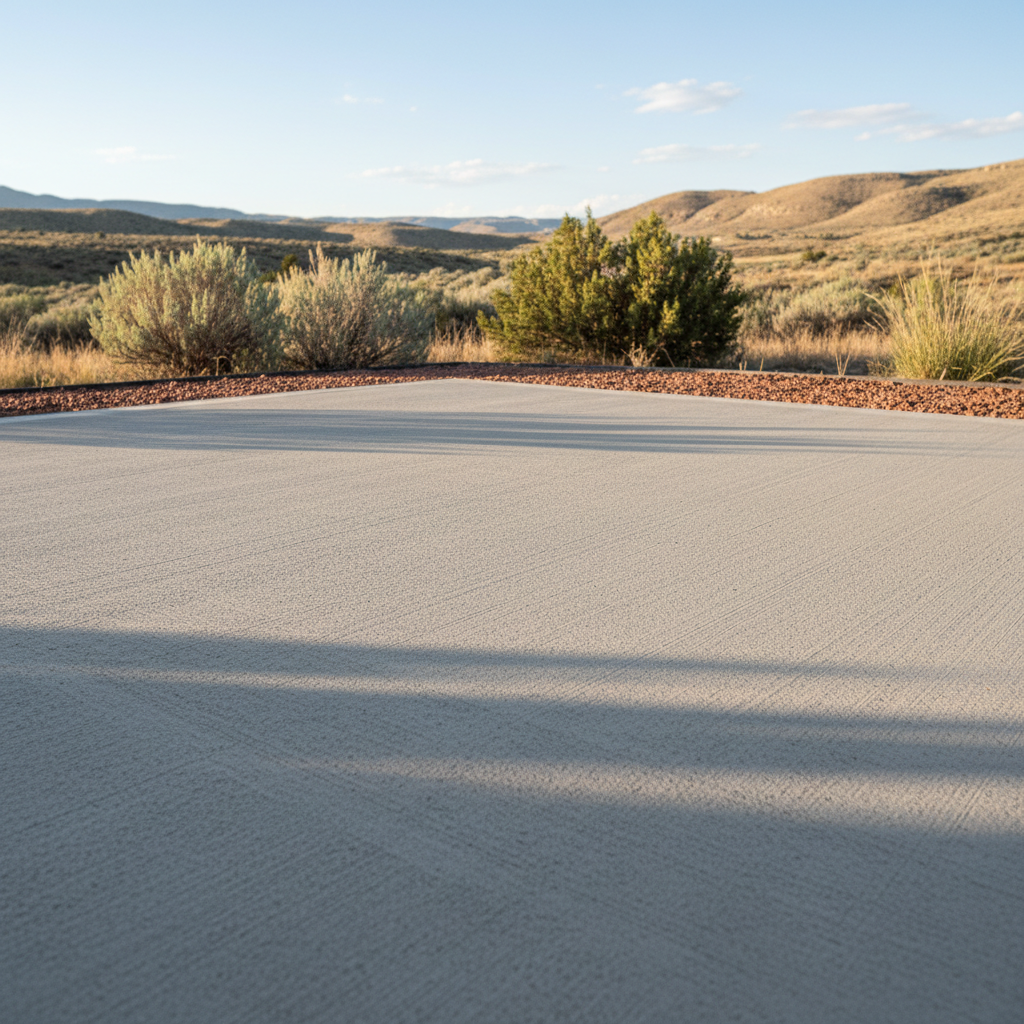
So, you're looking at that cracked driveway or dreaming of a new backyard patio, huh? Concrete flatwork seems simple enough on the surface – just mix it, pour it, smooth it out. But trust me, there's a whole lot more to it than that, especially if you want it to last longer than a couple of seasons. As a contractor right here in Orem, I've seen my share of DIY concrete jobs, both good and… well, let's just say 'educational'.
Before You Even Think About Mixing
Before any concrete truck shows up, you've got some serious planning to do. This is where most DIYers either get overwhelmed or cut corners, and that's when problems start. What kind of project are we talking about?
- Patios and Sidewalks: These are generally less critical than a driveway, but still need proper drainage and a good base.
- Driveways: Now we're talking about something that's going to bear a lot of weight. You can't skimp here.
- Slabs for Sheds or Hot Tubs: These need to be perfectly level and strong enough to support whatever you're putting on them.
First things first: check your local Orem building codes. Most smaller projects like a backyard patio might not need a permit, but a new driveway or a large slab often will. You don't want to pour a beautiful new driveway only to find out you've got to tear it up because it's too close to the property line or doesn't meet setback requirements. Trust me, that's a headache you want to avoid.
Next up, excavation and base prep. This is HUGE. You can't just pour concrete over dirt. You need to dig out the area, making sure you have a consistent depth. Then, you need a good, compacted gravel base. For most flatwork around here, we're talking at least 4 inches of compacted gravel. This base provides drainage and prevents the concrete from cracking due to shifting soil. Around Orem, especially in areas with a lot of clay like near the lake, proper compaction is even more critical. If your base isn't solid, your concrete won't be either.
During the Pour: The Speed and Skill Challenge
Okay, so you've got your forms built, your base is prepped and compacted, and you've got your rebar or wire mesh in place (you ARE putting rebar or mesh in, right? Because you should be). Now comes the pour. This is where things get fast, and if you're not ready, it can get messy and expensive real quick.
- Ordering the Right Mix: Don't just ask for 'concrete'. Tell the supplier what you're doing. They'll recommend the right strength (PSI) and slump for your project. For driveways, you'll want something stronger, usually 4000 PSI.
- The Pour Itself: Concrete doesn't wait. Once it starts coming out of that truck, you've got a limited window to get it where it needs to be, screed it level, and start finishing it. This isn't a one-person job for anything bigger than a small stepping stone. You'll need friends, and they'll need to know what they're doing.
- Screeding and Floating: This is how you get it level and start bringing the 'cream' to the surface. It takes practice to do it smoothly and efficiently.
- Finishing: Troweling, brooming for traction, edging… these are all critical steps that determine how your concrete looks and performs. Too much troweling too early, and you'll get spalling. Not enough brooming, and you've got a slip-and-slide when it rains.
Honestly, this is where most homeowners hit a wall. It's physically demanding, time-sensitive, and requires specific tools and a feel for the material that only comes with experience. If you're doing a small pad for a garbage can, sure, give it a shot. But for anything larger than 50 square feet, you're going to be pushing your luck and your back.
After the Pour: Curing and Care
You've done it! The concrete is down. But your job isn't over. The next few days and weeks are just as important as the pour itself.
- Curing: Concrete doesn't 'dry'; it cures. This is a chemical process that needs water. You need to keep that concrete moist for at least 7 days, preferably longer. This means misting it with water, covering it with plastic sheeting, or using a curing compound. If you let it dry out too fast, it'll be weaker and more prone to cracking.
- Protection: Keep heavy traffic off it for at least a week, and ideally, don't park your car on a new driveway for a month.
- Sealing: Once it's fully cured, usually after 28 days, consider sealing it. A good quality sealer will protect your concrete from stains, moisture, and the freeze-thaw cycles we get here in Utah.
Look, I'm all for homeowners tackling projects and saving a buck. But when it comes to concrete flatwork, especially driveways, foundations, or anything critical, you're often better off calling in a professional. The cost of fixing a bad concrete job far outweighs the initial savings of doing it yourself. You'll end up with a durable, good-looking surface that adds value to your home, not a constant reminder of a weekend gone wrong. At Elite Concrete Solutions, we've got the experience and the right equipment to get it done right the first time. Give us a call if you're unsure, we're always happy to talk through your project.